When river or snowmelt flooding hits a Midtown, CO property, local crews respond fast. They use IICRC-standard methods to extract water, remove mud, and dry the structure to help prevent secondary damage.

Technicians first secure the Midtown property, checking for electrical and structural risks. They confirm the flood water is receding and carefully map the full extent of the damage throughout the connected spaces.
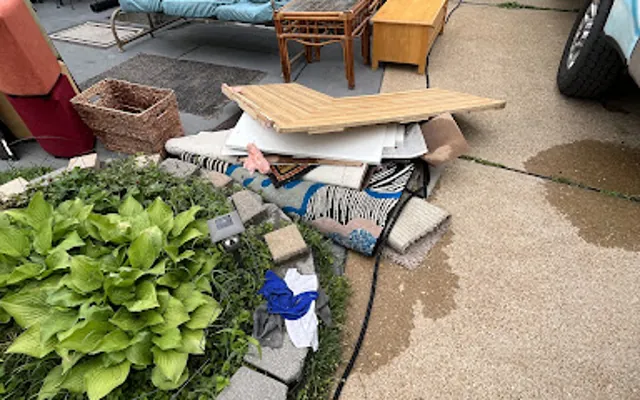
High-volume pumps clear standing water. The crew then removes all mud, silt, and ruined porous materials like drywall or carpet that contacted the contaminated flood water, hauling it away for disposal.
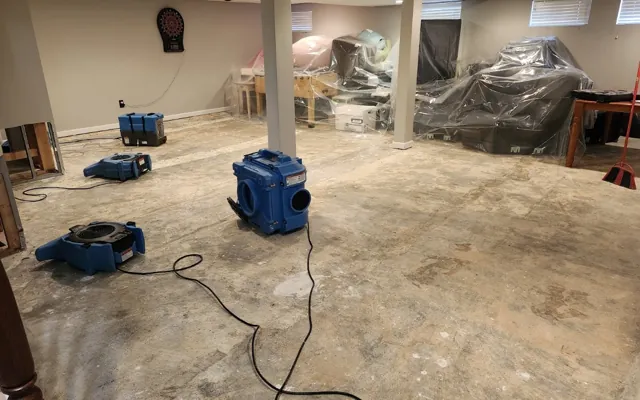
All affected surfaces are cleaned and treated with an antimicrobial solution. The team then uses air movers and dehumidifiers to dry the structure, logging moisture readings until the target is met.

River and snowmelt flood cleanup in Midtown typically runs from about $2,500 to $9,000 or more, driven by how deep the water got, how much mud and contaminated material came with it, and how much has to be removed and rebuilt. A contained lower-level flood is on the low end; several feet of muddy water through finished space is on the high end. Overland flooding usually needs a separate flood policy, and the loss is documented in detail for the carrier.
Midtown's mix of older commercial and residential buildings along the College Avenue corridor, many with aging roofs and plumbing from the 1960s and 70s, is vulnerable to water intrusion. When overland flooding from the nearby Poudre River or rapid snowmelt occurs, it can spread quickly through connected spaces, damaging floors, walls, and contents. Midtown, CO sits in the high-altitude semi-arid foothills. Heavy mountain snowmelt or sudden downpours can overwhelm local drainage, sending overland water toward properties with flat roofs and dated foundations common in this older corridor. From Midtown, crews also cover nearby Alta Vista, Andersonville, Sheely Drive Historic District, Old Town North, Buckingham, Campus West. See every neighborhood and town on the full service area page.
See all areas servedEvery loss is photographed, measured, and logged from the first visit, so the paperwork holds up with the insurance carrier.
Technicians follow recognized IICRC drying standards and prove it with daily moisture readings on Midtown homes, not guesswork.
Emergency dispatch any hour of the day or night, with a real crew on the way across the Front Range, not a callback in the morning.
A real crew dispatched any hour, not a callback in the morning.
Trained technicians following recognized IICRC drying standards.
Truck-mounted, portable, and submersible for any size loss.
The loss is documented and billed to the carrier directly.
Typically, no. Overland flooding from rivers or snowmelt is usually excluded from a standard homeowners policy in CO. A separate flood insurance policy is often required. Local crews document the loss in detail to support a claim with that specific carrier.
Drying times in Midtown's semi-arid climate vary with the water depth and materials affected. For a significant flood, it often takes three to five days of continuous drying with professional equipment to reach the target moisture levels, which the crew verifies with readings.
Crews are on call 24 hours a day and can be on the way to Midtown within the hour.
Call (970) 446-5005